Emergency garden clearance Shoreditch same day gardeners

If your garden has tipped from "a bit untidy" into "needs sorting today," you are in the right place. Emergency garden clearance Shoreditch same day gardeners are for those moments when the space has suddenly become unsafe, unusable, or simply impossible to ignore. Maybe a storm has scattered branches everywhere. Maybe you are moving out, expecting visitors, or dealing with overgrowth that has crept up far too quickly. Whatever the trigger, same-day help can make a messy situation feel manageable again.
In a dense part of London like Shoreditch, outside space is often limited, shared, or awkwardly laid out. That means clutter builds up faster than people expect, and when it does, the pressure is real. This guide explains what emergency clearance actually covers, how the process works, what to check before booking, and how to get a fast result without cutting corners. You will also find practical advice on safety, waste handling, and choosing the right service for the job.
Why Emergency garden clearance Shoreditch same day gardeners Matters
Emergency garden clearance is not just about making things look neat. Often, it is about restoring access, reducing hazards, and stopping a small problem from becoming a much bigger one. A fallen branch can block a path. Wet leaves can make steps slippery. Dense brambles can hide broken glass, old planters, unstable fencing, or animal mess. Not exactly the sort of surprise anyone wants first thing in the morning.
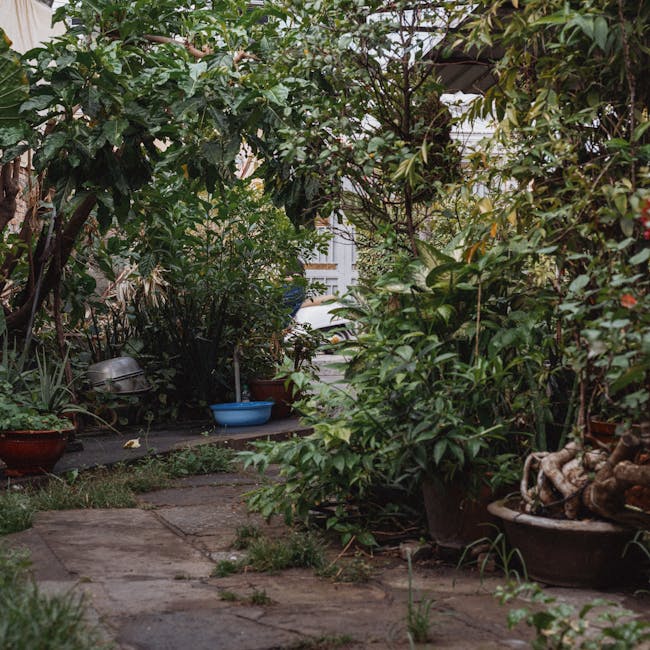
In Shoreditch, gardens, yards, terraces, and shared outdoor spaces can be tightly packed and hard to work in. That means clutter has a habit of building up around corners, behind sheds, or along narrow side passages. When access is limited, a quick tidy-up is rarely enough. A proper clearance needs planning, the right kit, and enough labour to get the job done without dragging the mess through the property.
Same-day gardeners are especially useful when time matters more than perfection on the first visit. For example, if a landlord needs a void property ready for inspection, if a tenant is handing back keys, or if a homeowner wants the outside space safe before guests arrive, waiting a week may not be realistic. That is where fast-response garden clearance has real value.
If you want to understand the wider service structure behind urgent clean-ups, the garden clearance service gives useful context, while the services overview helps you see how clearance sits alongside other garden work.
Expert summary: same-day clearance is most effective when it focuses on safety, access, and immediate visual improvement first, then follows up with longer-term maintenance if needed. That sequence saves time and usually avoids a rushed, incomplete job.
How Emergency garden clearance Shoreditch same day gardeners Works
The process is usually straightforward, though the exact approach depends on what has happened. A good team will start by asking what needs clearing, how urgent the job is, and whether anything on site could cause delay. It sounds simple, but those early questions matter. If a pile of heavy green waste is mixed with old timber, broken pots, and soil, for instance, the crew needs to bring the right equipment and allow enough time for sorting.
In a typical same-day visit, the gardeners will assess the space, identify access points, and decide whether the work can be completed in one sweep or split into phases. Some jobs are light and can be cleared quickly. Others need careful cutting back, bagging, loading, and safe disposal. Truth be told, the phrase "garden clearance" can mean very different things from one property to the next.
Common emergency tasks include:
- removing storm-damaged branches and windblown debris
- cutting back overgrown shrubs, brambles, and weeds
- clearing access routes, patios, and pathways
- collecting green waste, loose litter, and garden clutter
- making unsafe spaces usable again
- preparing a garden for sale, rent, or an inspection
Where heavier cutting or structural issues are involved, the team may need to bring in extra support or a specialist service. For example, if overgrown trees or dangerous limbs are part of the problem, it may make sense to look at tree lopping and removal. If the clearance is connected to wider outdoor improvements, landscaping or landscape gardening may be the better next step.
Same-day jobs are often time-sensitive, so coordination matters. Clear photos, a brief description of the space, and honest detail about access can make the difference between a smooth arrival and a frustrating delay. You know the type of delay: someone turns up, realises the gate is too narrow for the trolley, and suddenly everyone is standing around looking at the sky.
Key Benefits and Practical Advantages
Emergency clearance offers more than speed. Done well, it gives you control when the situation feels a bit out of hand. And that matters, especially in a busy part of London where a neglected garden can affect neighbours, landlords, tenants, and the general feel of a property.
The biggest practical advantages are:
- Fast restoration of access: paths, doors, and side returns become usable again.
- Reduced safety risk: less chance of trips, slips, and hidden hazards.
- Better first impressions: useful if you are selling, letting, or preparing for visitors.
- Less stress: a large job becomes a managed task rather than a looming headache.
- Cleaner disposal: waste is usually removed in one organised load, not left in piles.
- Room for follow-up care: once the space is clear, regular upkeep becomes possible again.
There is also a quieter benefit people sometimes miss: visibility. A cleared garden lets you actually see what is going on. You can spot damaged fencing, dead plants, drainage issues, and areas that need longer-term attention. Until the clutter is gone, those problems stay hidden. Out of sight, out of mind, and all that.
For many households, it is not only about appearance but about practicality. A small patio full of leaf mould, broken branches, and bagged rubbish can make it hard to open doors, move furniture, or let children and pets outside safely. Clearing the space gives you breathing room again. Sometimes that is worth more than people expect.
Who This Is For and When It Makes Sense
This service is a good fit for anyone facing an urgent outdoor mess that cannot wait for a standard appointment. In practice, that includes homeowners, tenants, landlords, letting agents, property managers, and businesses with outdoor frontage or rear access that needs clearing quickly.
It makes sense if you are dealing with:
- unexpected storm damage
- an overgrown garden before a move-out or inventory check
- a property inspection with little time left
- fly-tipped garden waste or abandoned outdoor clutter
- an area that has become unsafe for children, pets, or visitors
- a neglected garden that needs a fast reset before maintenance begins
It can also be a smart choice if the clearance is only the first step. For example, a garden may need an emergency tidy now, followed by garden maintenance later to stop the same issue from coming back. Or perhaps the grass has run away with itself and needs attention after the main clearance; in that case, lawn mowing can be folded in once the space is open.
Not every messy garden needs an emergency service. If the space is simply untidy but safe, a booked clearance may be more sensible. The emergency option is best used when timing, safety, or access is the real issue. That distinction saves money and avoids over-ordering a faster service than you actually need.
A quick rule of thumb: if you would not be comfortable leaving the problem until next week, you are probably in emergency territory. If it can wait and you just want it done neatly, a standard visit may be enough. Simple, but useful.
Step-by-Step Guidance
If you are arranging a same-day clearance, a little preparation goes a long way. You do not need to overthink it. Just make the job easier to understand before the team arrives.
- Describe the problem clearly. Mention whether the issue is overgrowth, storm damage, waste removal, blocked access, or all of the above.
- Share photos if possible. A few sensible pictures help the gardeners judge scale, tools, and timing.
- Check access. Think about gates, side passages, parking, shared entrances, and whether anything needs to be unlocked.
- Remove personal items. Put away ornaments, toys, cushions, or anything you want kept separate from the clearance.
- Ask what happens to waste. Make sure you understand whether green waste and mixed debris will be removed or sorted on site.
- Confirm the priority. Decide what absolutely must be done today and what could wait for a follow-up visit.
- Walk the site at the end. Check that the main hazards have been addressed and that access is restored.
One thing worth saying: be honest about the scale. If the garden is worse than it sounds, the team needs to know that early. A five-minute understatement can turn into a half-day scramble. Nobody enjoys that, least of all the person trying to get the job finished before dark.
If you are comparing fast-response options with longer-term property care, the garden clearance page is a useful starting point, and you can also explore what other garden services are available once the urgent part is under control.
Expert Tips for Better Results
Over the years, the best emergency clearances tend to share the same qualities: clear scope, realistic expectations, and good access. Nothing fancy. Just solid preparation and sensible decisions.
Here are a few tips that genuinely help:
- Prioritise hazards first. Broken glass, loose branches, slippery surfaces, and hidden debris should be dealt with early.
- Separate what you want kept. If there are pots, tools, or furniture you do not want removed, mark them clearly.
- Think in zones. Front access, side access, patio, lawn, and rear corners may all need different treatment.
- Ask about follow-up maintenance. A fast clearance is great, but unless the underlying growth is addressed, the problem tends to return.
- Use the opportunity to inspect surfaces. Once the clutter is gone, look at paving, fencing, decking, and drainage.
If the garden includes tired timber or unsafe structures, it may be sensible to think beyond clearance alone. For example, some clients choose to combine the clean-up with decking services or broader landscaping so the space is not just cleared, but actually improved afterwards. That is not always necessary, of course, but it can save a second round of disruption later.
Another small but important tip: try to book while the issue is still manageable. If a branch is hanging low or weeds are spreading fast, acting early usually keeps the job quicker and cheaper. People wait, then wait a bit more, and suddenly the clear-up becomes a full reset. Happens all the time.
Common Mistakes to Avoid
When people are stressed, they often make the same avoidable mistakes. Fair enough. A messy or damaged garden can cloud judgement. But a few practical checks can save time, money, and frustration.
- Being vague about the job. "Just a tidy-up" is too broad for an urgent visit.
- Assuming everything is included. Waste removal, heavy lifting, and specialist cutting may not all be covered in the same way.
- Ignoring access problems. Narrow passages, locked gates, and parking restrictions can derail a same-day slot.
- Leaving hazardous items unmentioned. Old nails, broken glass, sharp metal, or nesting areas should be flagged early.
- Choosing speed without checking standards. Fast is useful, but not if the work is rushed or unsafe.
A surprising one is forgetting the follow-up. Once the garden is cleared, people often stop there. Then a few weeks later the same patch starts to creep back. If that sounds familiar, it may be worth arranging ongoing care through garden maintenance or targeted jobs like hedge trimming to keep things under control.
There is also the temptation to clear only the visible part. That can work for a photo, but not for the long term. The back corner, behind the shed, and the edge of the fence line often hide the real problem. You know the spot. Everyone has one.
Tools, Resources and Recommendations
Emergency garden clearance usually needs more than a pair of gloves and a bin bag. Professional crews typically bring cutting tools, rakes, shears, wheelbarrows, sacks, and equipment for lifting or bundling waste safely. For more awkward spaces, compact tools matter because not every Shoreditch garden gives you the luxury of open access.
Useful equipment and materials often include:
- heavy-duty waste sacks
- loppers and pruning tools
- rakes and hand tools for debris
- protective gloves and eye protection
- wheelbarrows or tubs for moving waste
- tarps or sheets to protect paths and flooring
From a homeowner's point of view, the most helpful "resource" is a clear brief. A few photos, a rough idea of what needs removing, and a note about access can cut a lot of back-and-forth. Another good habit is to keep a basic garden checklist for seasonal jobs, especially if you have an outdoor area that tends to collect leaves, cuttings, or broken items quickly.
If you are thinking about future-proofing the space after the clearance, services like lawn mowing, hedge trimming, and planned garden maintenance can keep the property presentable without letting things spiral again. Simple routines often beat big rescue jobs. Almost always.
Law, Compliance, Standards, or Best Practice
Garden clearance is practical work, but it still sits within ordinary UK expectations around safety, waste handling, and responsible workmanship. You do not need to become an expert in regulations to make a sensible booking, but it does help to know what a reputable service should be thinking about.
At a basic level, best practice includes:
- working safely around sharp, heavy, or unstable debris
- using suitable personal protective equipment
- avoiding damage to neighbouring property, walls, fences, and paths
- handling waste responsibly and separating obvious recyclables where appropriate
- being clear about what is included before work starts
If the job involves trees, large limbs, or potentially dangerous structures, caution matters even more. Not every branch should be treated as a simple cut-and-carry task. If in doubt, it is better to ask for a proper assessment than to let someone rush in with the wrong tool. That is not being fussy. It is being sensible.
It is also good practice for a company to be transparent about insurance, safety, pricing, and complaint handling. Those pages are not glamorous, but they tell you a lot about how a business operates. If you want to review service standards, the site's insurance and safety information, health and safety policy, and complaints procedure are useful places to look. For payment questions, payment and security and pricing and quotes can help set expectations before anyone starts work.
Options, Methods, or Comparison Table
Not every urgent garden problem needs the same response. Sometimes a full same-day clearance is the right call. Other times, a partial cut-back or a follow-up maintenance visit is better. The right choice depends on urgency, scale, and what you want the space to do afterwards.
| Option | Best for | Pros | Limitations |
|---|---|---|---|
| Same-day emergency clearance | Hazards, blocked access, urgent deadlines | Fast, practical, immediate relief | May focus on priority tasks first rather than full redesign |
| Planned garden clearance | Messy but non-urgent spaces | More time to sort, quote, and plan | Not suitable if the issue cannot wait |
| Clearance plus maintenance | Recurring overgrowth or neglected gardens | Helps keep the space under control after the reset | Takes longer to organise than a one-off visit |
| Clearance plus landscaping | Gardens needing a bigger transformation | Improves function and appearance long term | Usually not an instant fix |
If you need the garden usable today, same-day clearance is usually the strongest option. If the garden is safe but simply neglected, a more planned route may be better value. The trick is matching the service to the real problem, not the worst-case feeling of the moment.
Case Study or Real-World Example
Picture a typical Shoreditch rear garden after a windy weekend. A small tree has dropped branches into the patio, old leaves are plastered against the fence, and a stack of mixed garden waste has been left near the back gate. The owner has visitors arriving that evening and needs the area safe, presentable, and accessible. Not perfect. Just sorted.
In that situation, a same-day team would usually start by clearing the access route, removing loose debris, cutting back snagged branches, and loading waste into manageable sections. If there were broken plant pots or hidden sharp objects, those would be separated early. A quick sweep or final rake would make the space feel much more usable, and the owner could breathe again.
What made the difference was not fancy technique. It was speed, clarity, and focus. The team did the immediate safety work first, then left the space in a state where the owner could decide on follow-up maintenance later. That approach is often the most sensible one for urgent jobs. Clear the danger, restore the space, then plan the next step.
Sometimes the real win is simply being able to open the back door without wincing. Small victory, but a real one.
Practical Checklist
Use this checklist before the gardeners arrive. It keeps things simple and helps the job run smoothly.
- Take a few clear photos of the garden or problem area.
- List the main issues: overgrowth, storm debris, waste, blocked access, or hazards.
- Confirm whether there are items you want kept aside.
- Check gate access, parking, and any shared entrances.
- Move fragile or personal belongings out of the work zone.
- Ask whether waste removal is included.
- Flag anything sharp, unstable, or potentially dangerous.
- Decide what must be done today and what can wait.
- Plan follow-up care if the problem is likely to return.
- Review the result before signing off the visit.
Quick takeaway: the smoother the handover, the faster the job usually goes. Same-day help is about reducing friction as much as cutting back growth.
Get a free quote today and see how much you can save.
If you are ready to move from stress to sorted, the next step is simple: ask for a clear assessment, share a few photos, and let the team decide the fastest safe route to clearing the space. If you want to learn more about the company behind the service, you can also read about the team before you book.
Conclusion
Emergency garden clearance Shoreditch same day gardeners are there for the moments when the garden has become a problem you cannot ignore any longer. Whether it is storm debris, heavy overgrowth, a blocked path, or a deadline that suddenly became very real, fast local help can turn a stressful outdoor mess into something workable again.
The best results come from being clear, realistic, and a little bit organised, even if the garden itself is not. Focus on safety first, then access, then appearance. That order usually works well in real life, not just in theory. And once the space is clear, it becomes much easier to decide what should happen next, whether that is maintenance, trimming, mowing, or a bigger rethink of the layout.
There is a quiet relief in seeing a neglected space breathe again. You notice the light, the edges, the path. It feels less like a burden. More like part of the home again.
Frequently Asked Questions
What counts as emergency garden clearance in Shoreditch?
It usually means an urgent outdoor job that needs same-day attention because of safety, access, or timing. Common examples include storm debris, heavy overgrowth, blocked paths, or garden waste that cannot wait.
How fast can same-day gardeners usually arrive?
That depends on workload, access, and the scale of the job. If you share clear details early, a team can often judge quickly whether the work can be fitted in the same day.
Can emergency clearance include waste removal?
Yes, often it can. But you should always confirm this before booking. Some jobs include loading and removal as part of the service, while others may separate labour from disposal.
Is emergency clearance different from regular garden clearance?
Yes. Emergency clearance prioritises speed, safety, and immediate access. Regular clearance is usually more flexible and may allow more time for sorting, pruning, and finishing work.
What if my garden is overgrown with brambles or hedges?
That is a common reason to call in help. In some cases, the work may also involve hedge trimming or follow-up maintenance once the worst of the growth is cut back.
Do I need to be at home for the clearance?
It is usually easier if you are there at the start, at least for access and instructions. If that is not possible, clear arrangements and good communication become even more important.
What should I tell the gardeners before they arrive?
Tell them what needs clearing, whether there are hazards, how access works, and whether any items must be left in place. A few photos help a lot. Honestly, a lot more than most people think.
Can same-day clearance help before a tenancy inspection or property sale?
Yes. It is often used to restore presentation quickly before an inventory, viewing, handover, or inspection. It will not replace full landscaping, but it can make a big difference to first impressions.
What if the problem involves trees or large branches?
Then the job may need specialist attention. Tree-related hazards are not something to guess at. A service such as tree lopping and removal may be more appropriate than a general tidy-up.
How do I keep the garden from becoming a rush job again?
The best way is regular upkeep. A combination of garden maintenance, occasional mowing, and seasonal trimming usually prevents the sort of build-up that turns into an emergency later.
Are emergency garden clearances suitable for small city gardens?
Absolutely. In fact, compact gardens in Shoreditch often benefit a lot from same-day work because small spaces can become unusable very quickly when clutter builds up.
What should I check about safety and trust before booking?
Look for clear information about insurance, safety, payment, and complaints handling. The pages on insurance and safety and health and safety are useful indicators of how carefully a company works.
Can I combine clearance with other garden work?
Yes, if it makes sense for the site. Many people clear the urgent mess first and then book follow-up work such as mowing, trimming, or broader landscaping once the space is manageable again.